LAND USE INTENSITY'S POTENTIAL, VULNERABILITY AND RESILIENCE FOR SUSTAINABLE AGRICULTURE IN AFRICA
University of Twenty, ESA LUISA project in the Beira Corridor
Project Dates: 21 Mar 2024, 31 Aug. 2025
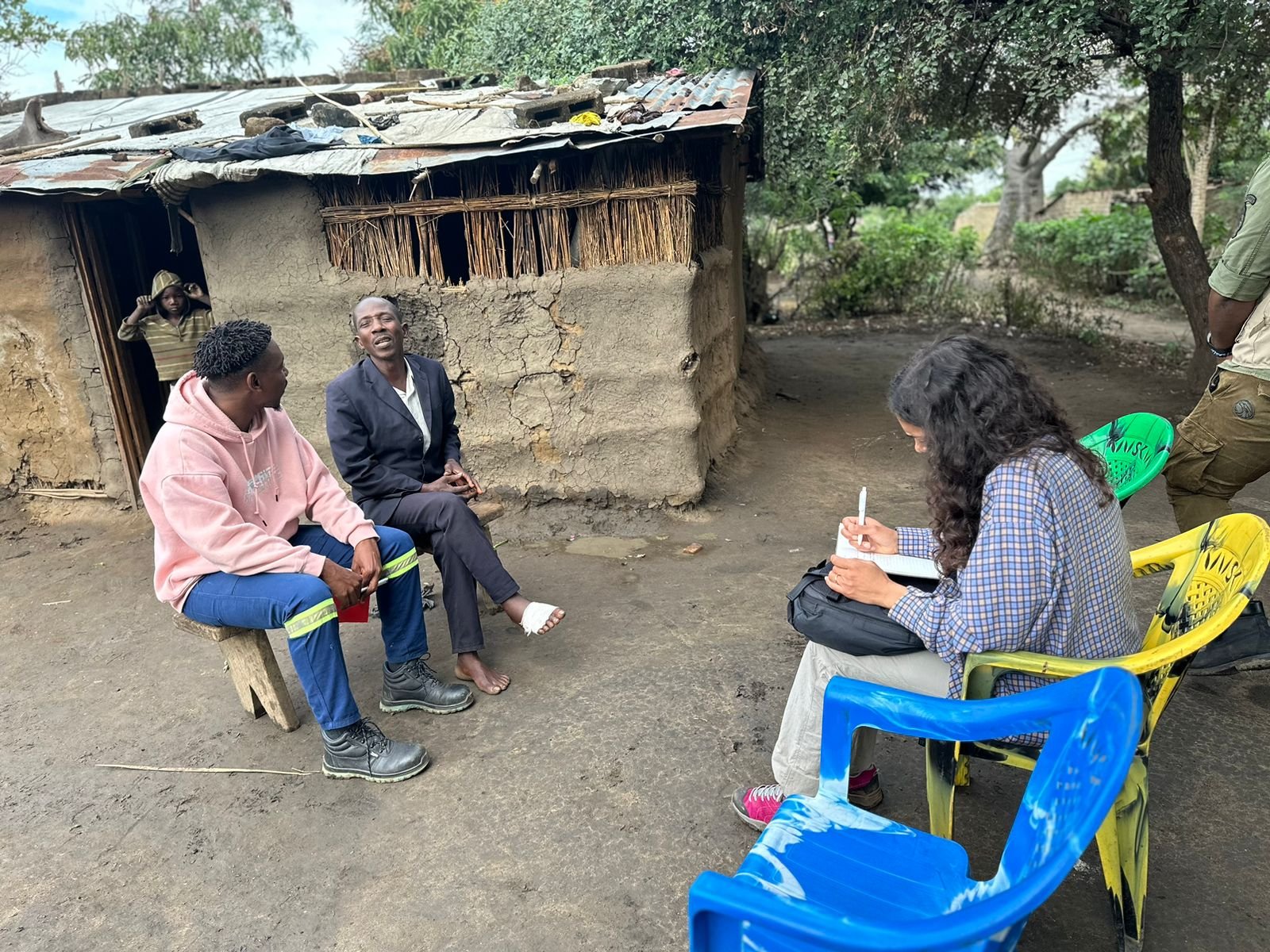
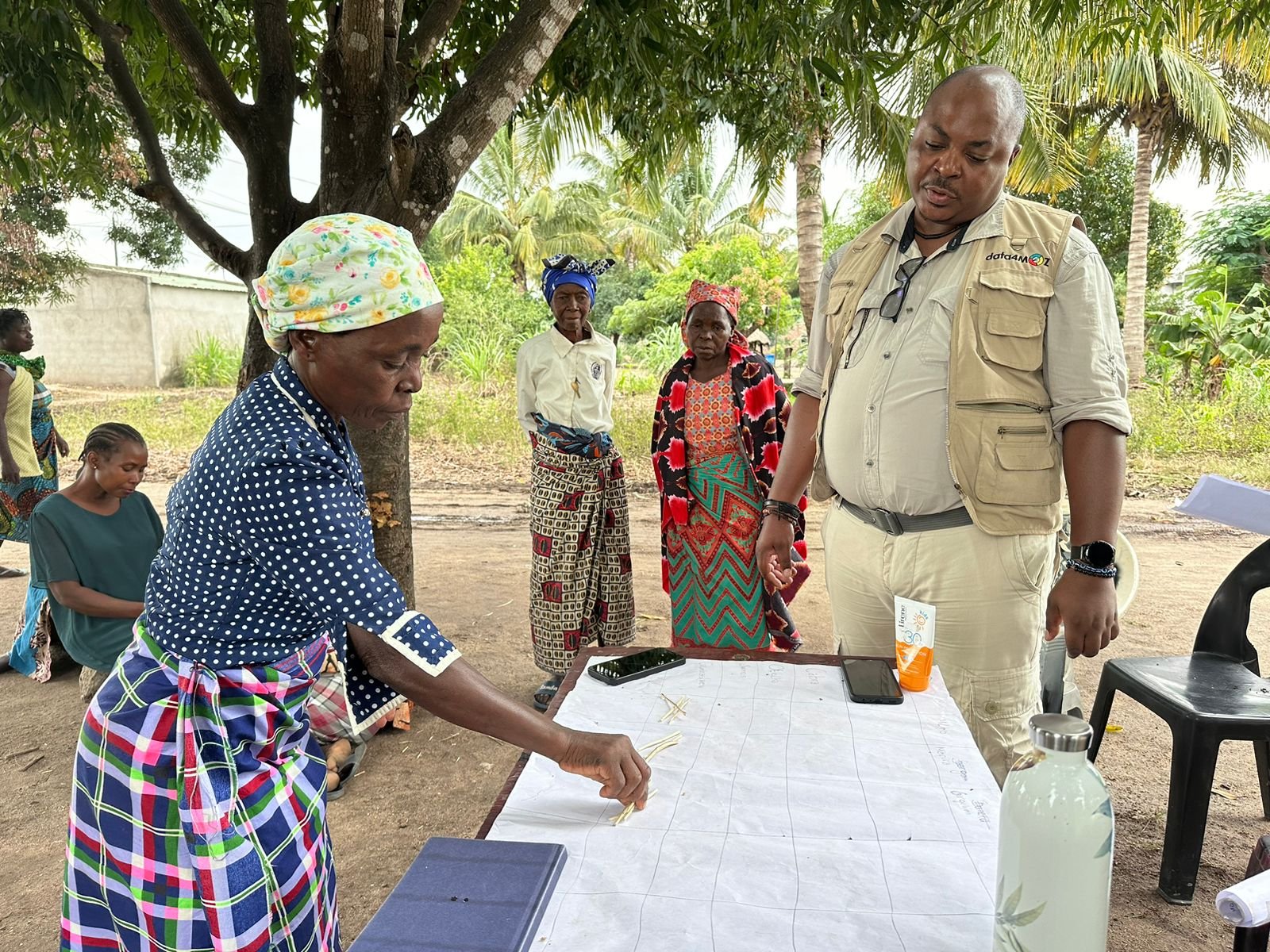
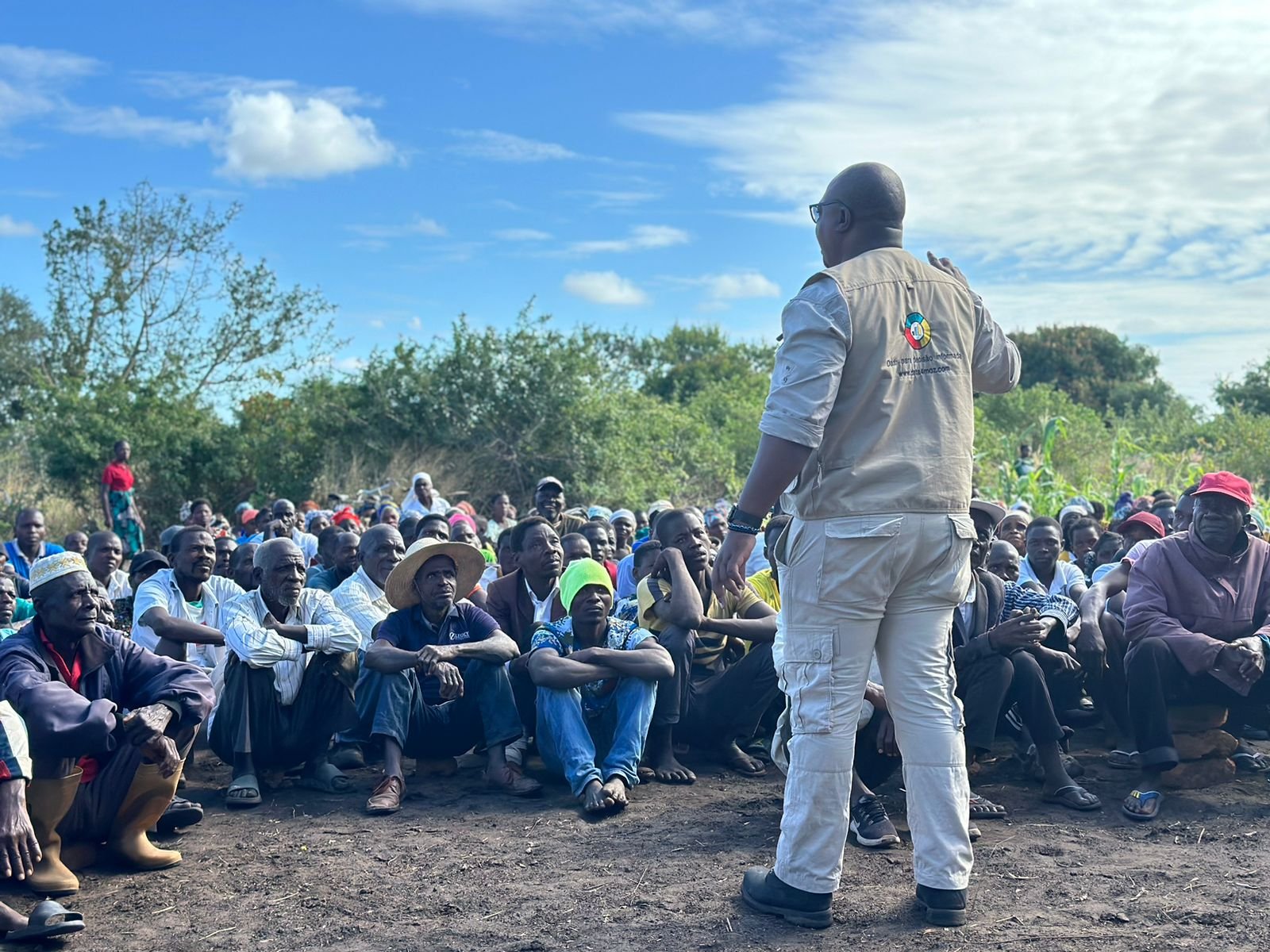
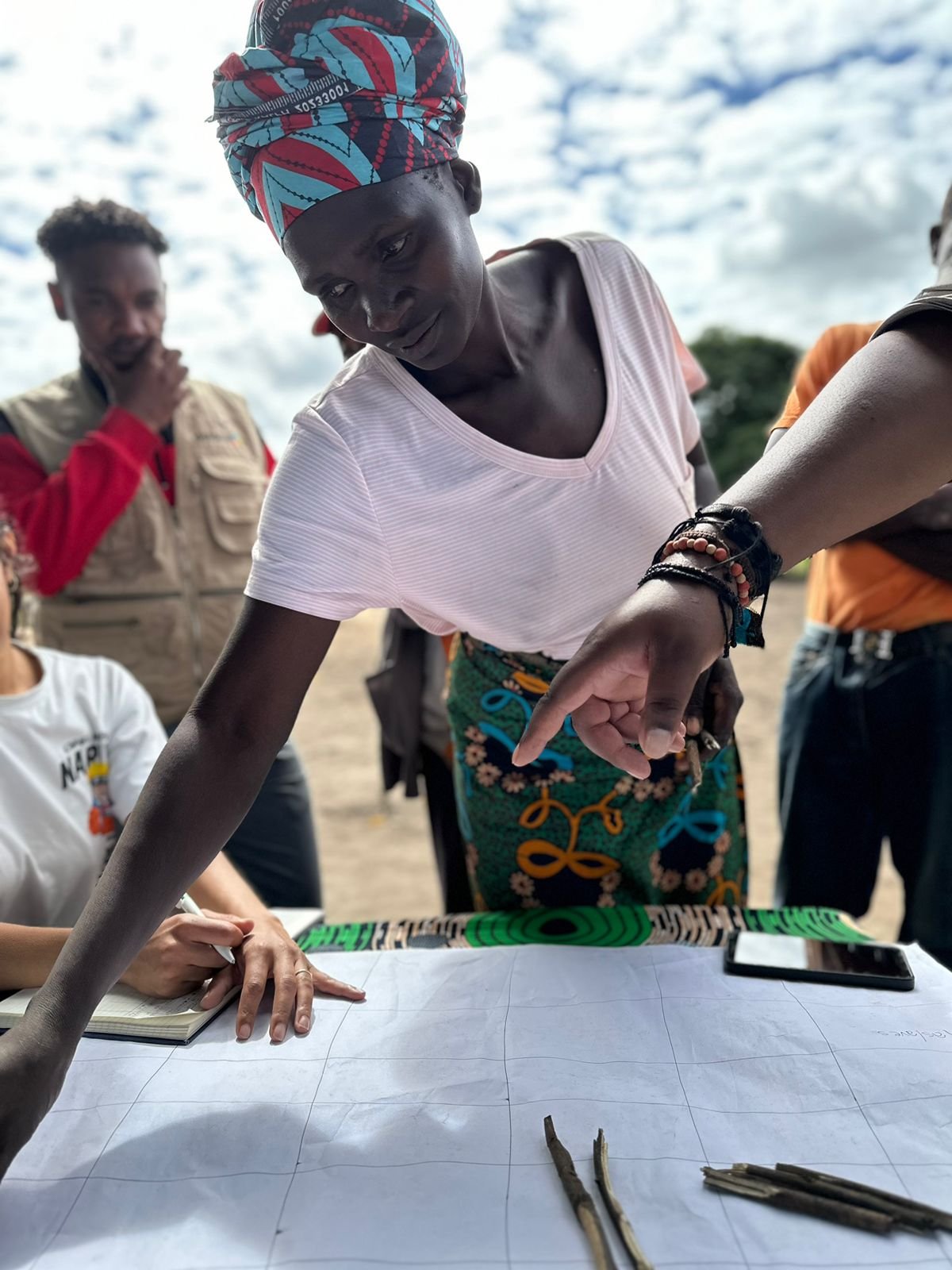
The Land Use Intensity's Potential, Vulnerability and Resilience for Sustainable Agriculture in Africa (LUISA) project is committed to safeguarding the livelihoods of smallholder farmers and pastoralists across Africa
The district of Nhamatanda encompasses two administrative posts, Nhamatanda-sede and Tica, each exhibiting distinct climatic patterns
The eastern region is classified as tropical rainy savannah climate, while the western region is classified as humid temperate tropical with an average annual rainfall of 1200 mm. The area fosters favorable conditions for agricultural activities because of the soils rich in organic matter and high water retention capacity.
Agriculture serves as the primary economic driver, predominantly conducted under rainfed conditions. Small family farms dot the landscape, engaging in manual cultivation practices, often intercropping varieties such as corn, cassava, mapira, beans, sweet potatoes, sorghum, rice, peanuts, sesame, and soybeans. Large-scale monoculture cultivation of crops like sugarcane and cotton is more common in the administrative post of Tica.
The post of Tica intersects the Beira Corridor (Beira Agricultural Growth Corridor-BAGC), a critical transport route in southern Africa. Consequently, areas traversed by this corridor witness heightened agricultural activity, amplifying the need for sustainable land management practices.